We started the day with a walk to the stone circles. On route a small bird was flying from post to post beside us.

The walk was mostly across a pete bog. Thankfully there was a board walk to keep us dry
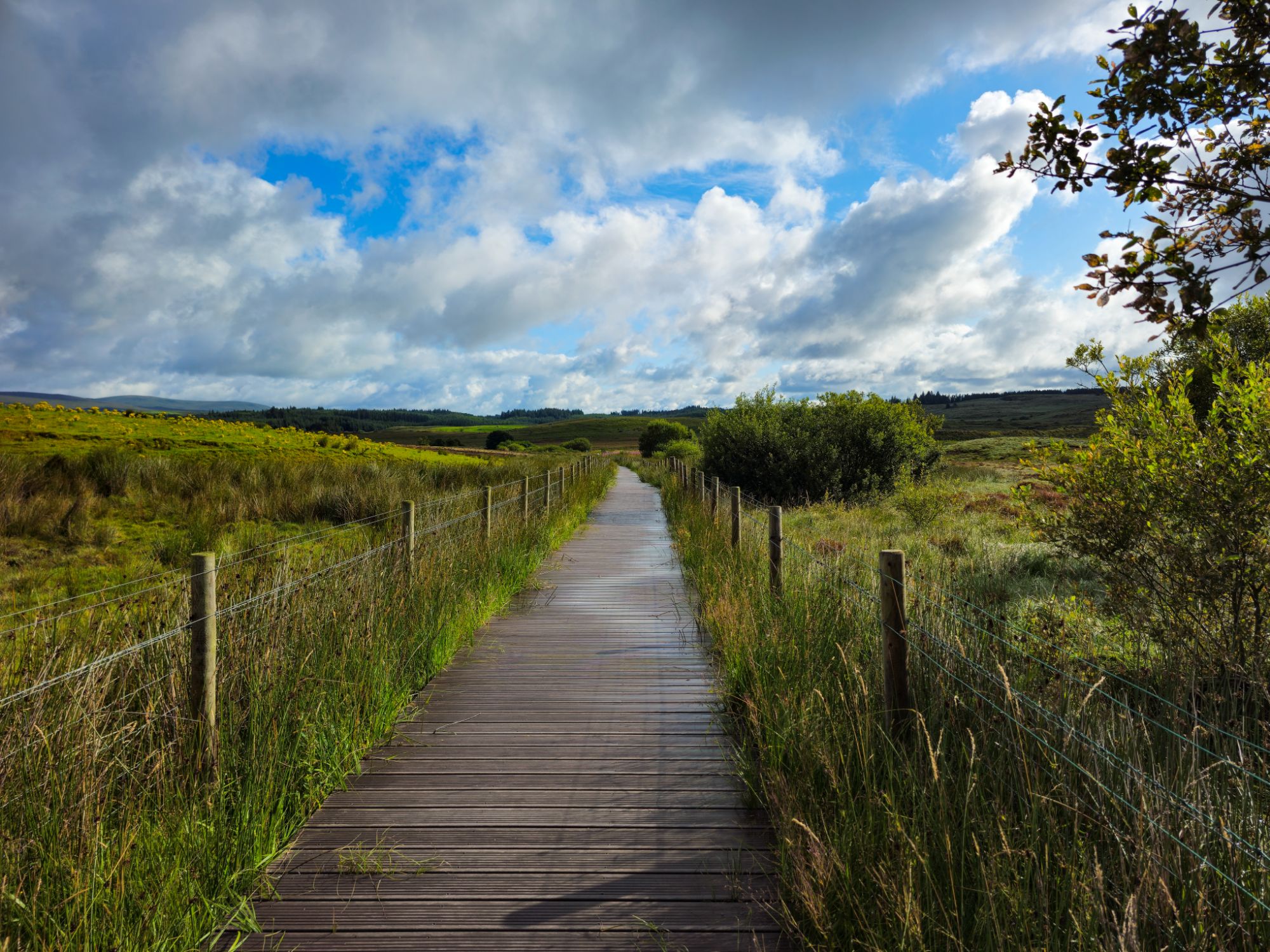
There was a lot more stones than t was expecting
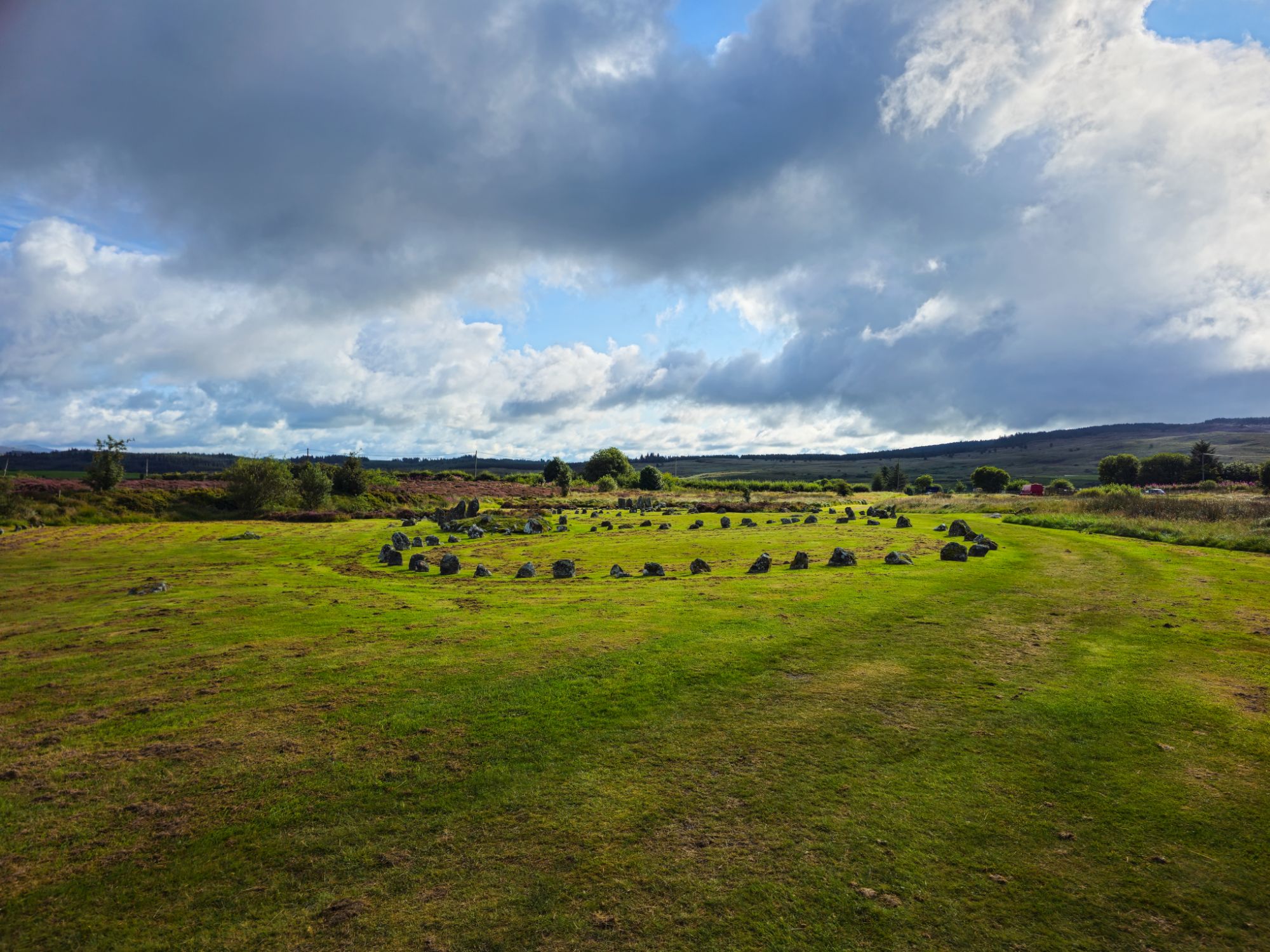
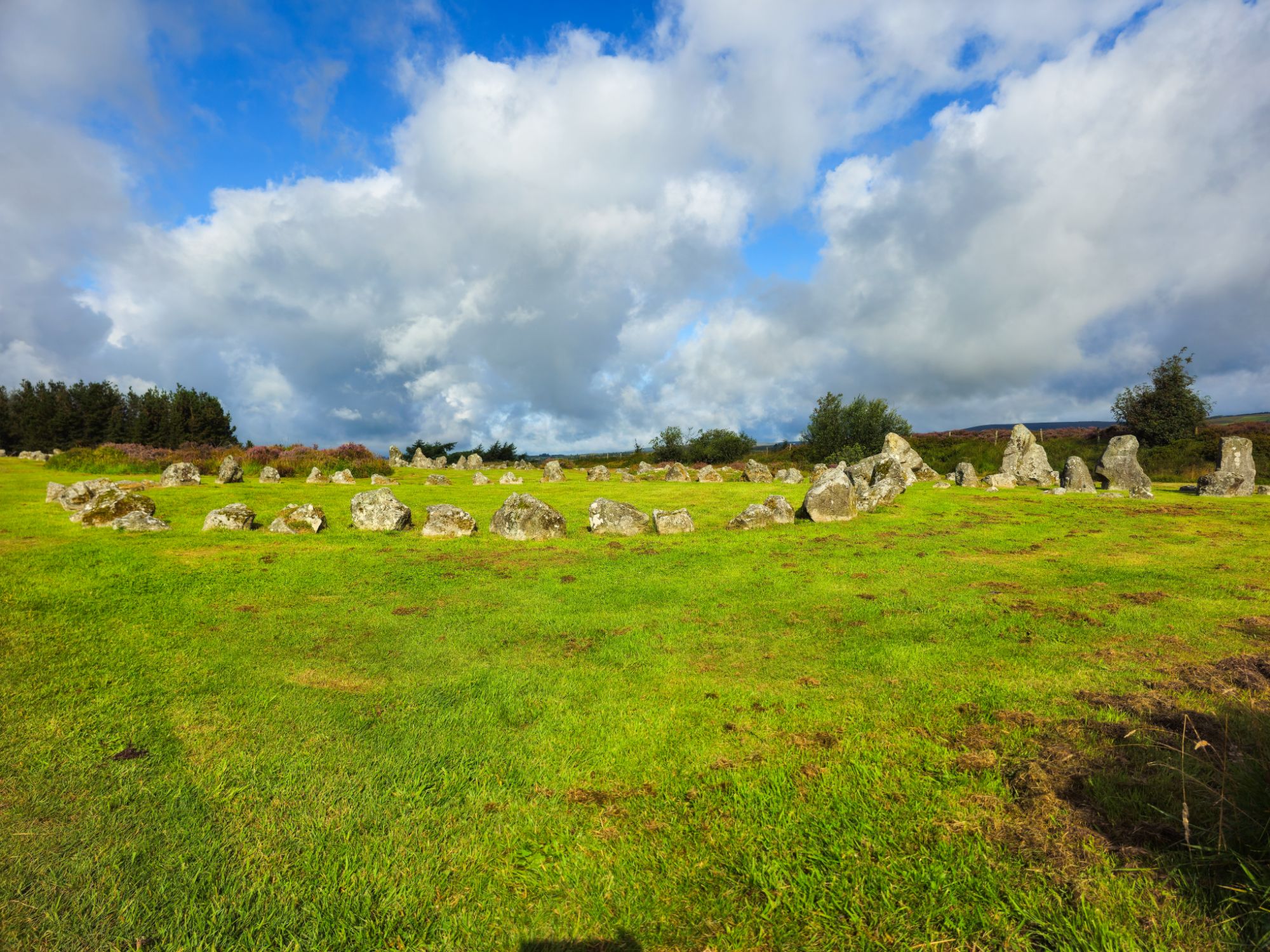
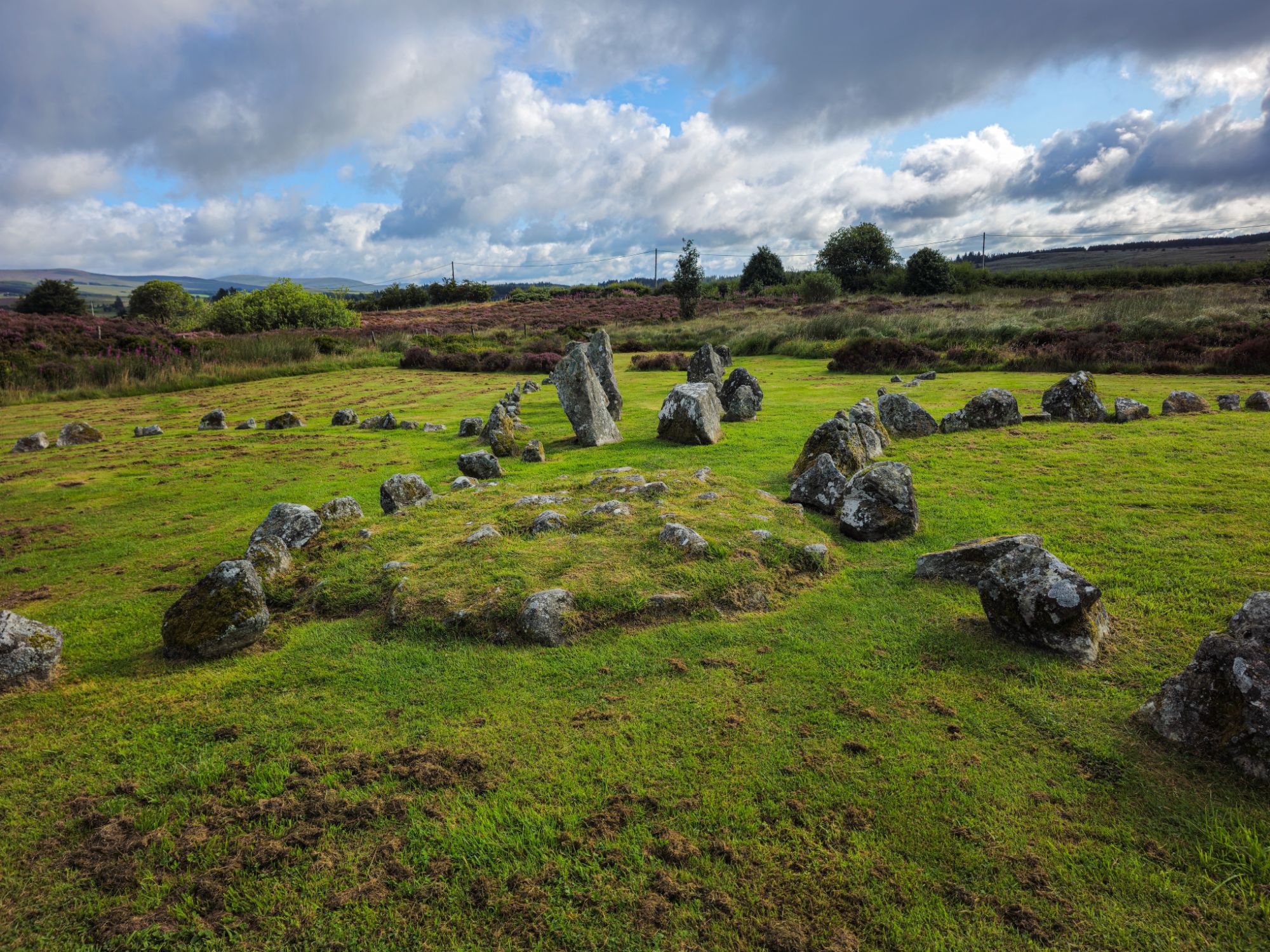
Information on the stones the picture is not grate so I had AI pull the text
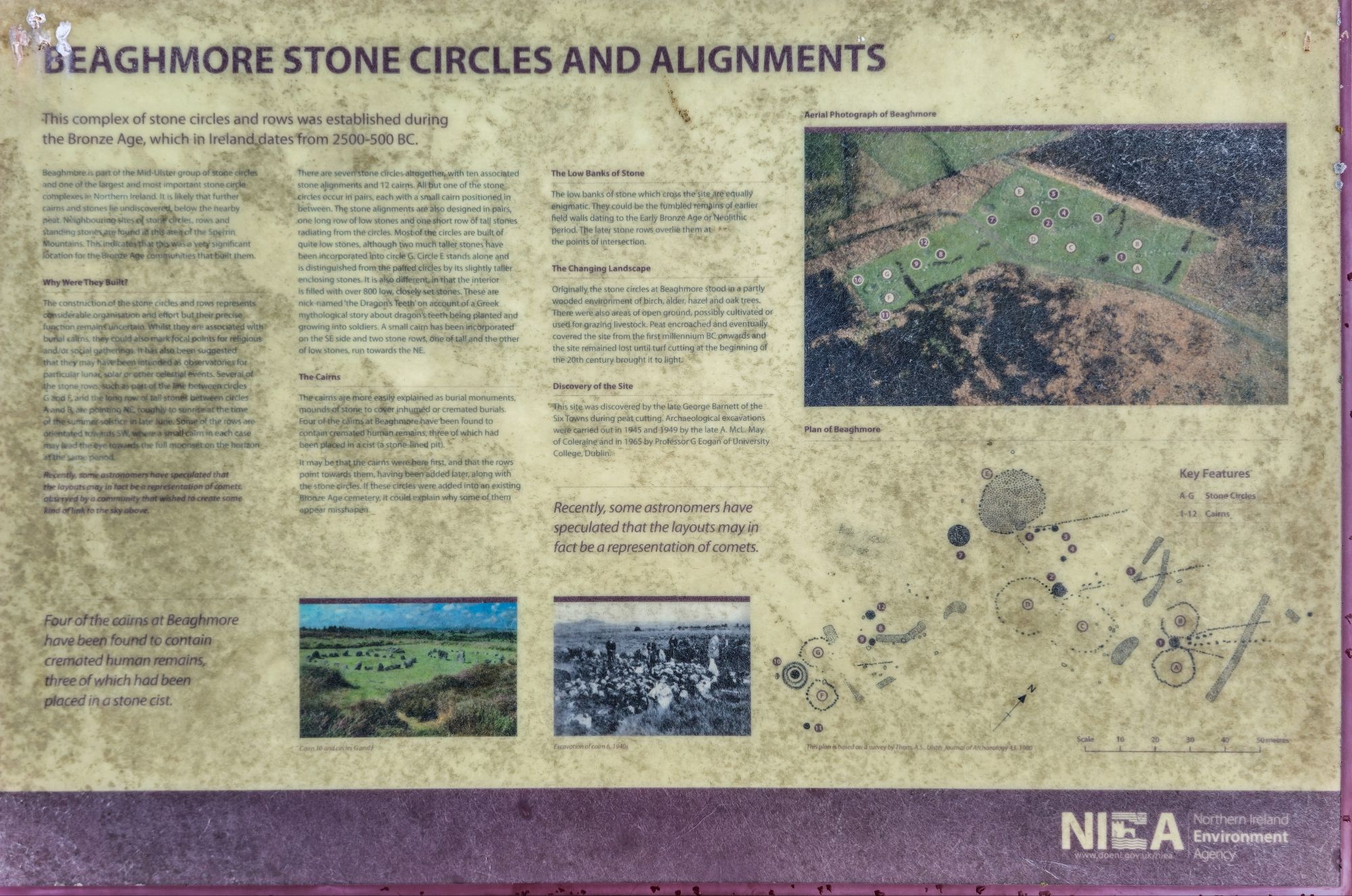
BEAGHMORE STONE CIRCLES AND ALIGNMENTS
This complex of stone circles and rows was established during the Bronze Age, which in Ireland dates from 2500–500 BC.
Beaghmore is part of the Mid Ulster group of stone circles, a small but significant number of which are found on hill slopes in Northern Ireland. It is likely that further circles and stones lie undiscovered below the nearby peat deposits. In the 1940s, a local man called George Barnett was cutting peat on one of the hillsides when he noticed rows of stones laid upright in the ground. Excavation revealed the Beaghmore site as we know it today.
Why Were They Built?
The concentration of stone circles, cairns and rows is intriguing. It seems likely that the stone circles were the focus for ceremonial activities. While they will undoubtedly have been used for burials, the concentration of circles indicates that Beaghmore was a centre for spiritual or ritual beliefs. The rows have been interpreted as relating to movements of the sun and moon at certain times of the year, particularly the summer solstice. The rows and cairns have been arranged in a line that points to the cairn near the centre of the site. It is believed that this central cairn contains the remains of a single person. There is a strong possibility that the rows were constructed to observe the sunrise in early summer.
Recently, some astronomers have speculated that the layout may in fact be a representation of comets.
Four of the cairns at Beaghmore have been found to contain cremated human remains, three of which had been placed in a stone cist.
There are seventeen stone circles at Beaghmore, with most being a single ring of small stones. However, there is at least one circle set in pairs, each with a small cairn positioned in between. The stone alignments are laid in long double or triple rows of small stones, with five rows in a single fan radiating from one circle. Most of the circles are built of upright low stones, although one is a different type, built of tightly packed low stones. The main cairn has a cist and is distinguished from the earliest circles by its higher rubble and larger size. This type of cairn appeared from 2500 BC and lasted until after 500 BC, though in decline. These are rock cairns that the Dragon’s Teeth excavation at Gabaix has found to date from 4,000 to 2,000 BC and that contain pottery and growing into soldiers. A small cist has been left exposed at the far side and two stone rows, that are all that can be seen of what must once have been a much larger and more impressive monument.
The Cairns
There are three main aspects explained in burial monuments. They are the cairns, the cists, and the pottery, also known as the pot or the urn. The Dragon’s Teeth excavation has found to date pottery and growing into soldiers, a small cist has been left exposed at the far side and two stone rows, that are all that can be seen of what must once have been a much larger and more impressive monument. It is believed that the cairns were built for a variety of purposes. They are rock cairns that the Dragon’s Teeth excavation at Gabaix has found to date from 4,000 to 2,000 BC and that contain pottery and growing into soldiers. A small cist has been left exposed at the far side and two stone rows, that are all that can be seen of what must once have been a much larger and more impressive monument. The excavation also revealed that the remains of a single person had been placed in a stone cist. It is believed that the cairns were built for a variety of purposes.
The Low Banks of Stone
The low banks of stone, which ring the site, are a relatively modern addition to the monument. They were placed in the early 19th century by the Earl of Tyrone to mark the site’s boundary. The stone lines were made to mark the site, and also to keep out animals from grazing on the stone cairns.
The Changing Landscape
Originally the stone circles at Beaghmore were on a fairly wooded landscape, with open areas. They would have been surrounded by low-lying scrub and small, low-lying trees, not the vast, open, boggy landscape that characterises much of Northern Ireland today. The peat blanket which now covers much of the site was a later development, and was not widespread until well into the Iron Age in the beginning of the 19th century. The peat blanket which now covers much of the site was a later development, and was not widespread until well into the Iron Age in the beginning of the 19th century.
Discovery of the Site
This site was discovered by the late George Barnett of the Northern Ireland Environment Agency in the 1940s. He was a local man who was cutting peat on one of the hillsides when he noticed rows of stones laid upright in the ground. Excavation revealed the Beaghmore site as we know it today.
Omagh was our next stop mainly to get our washing done.
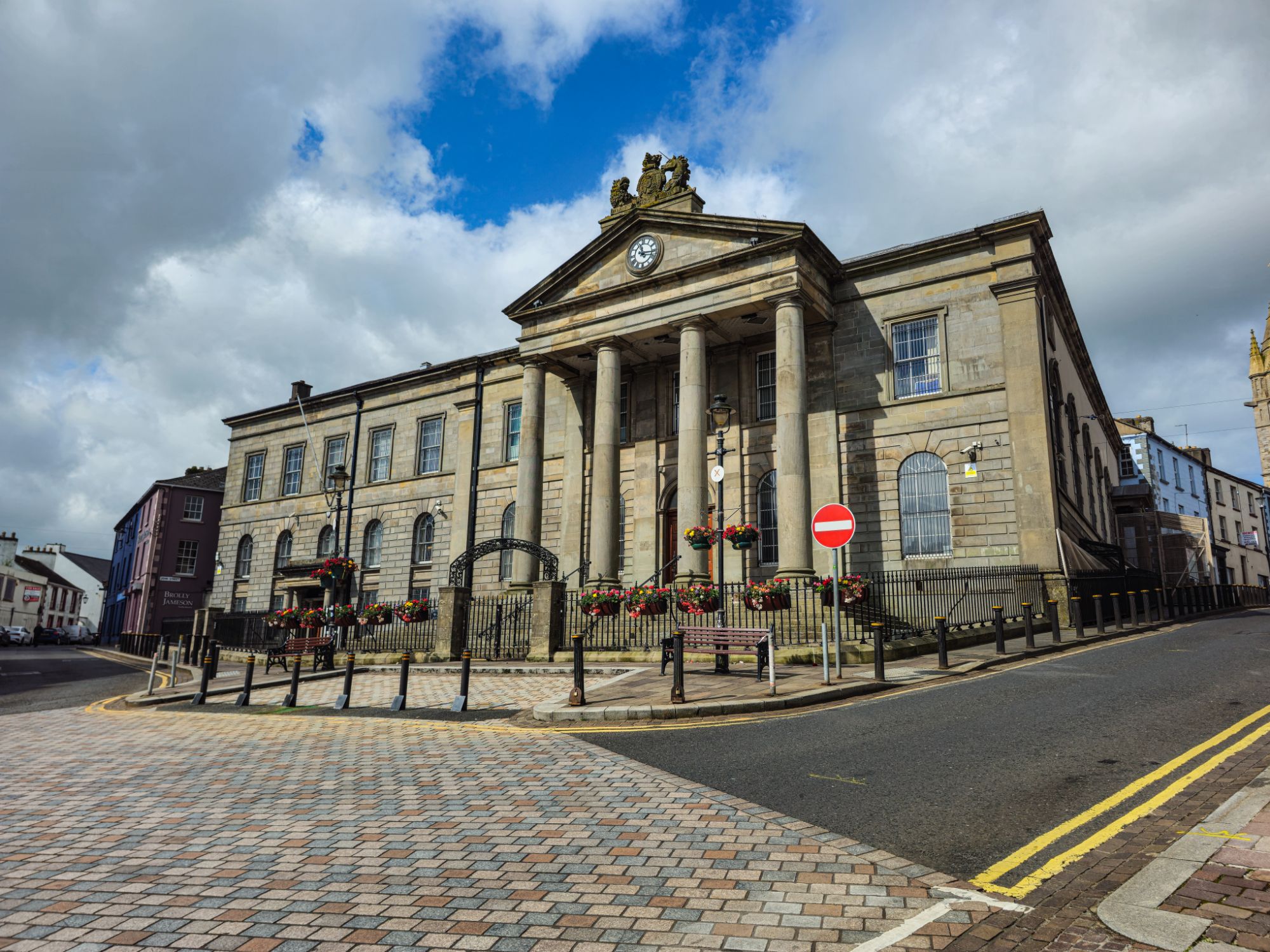
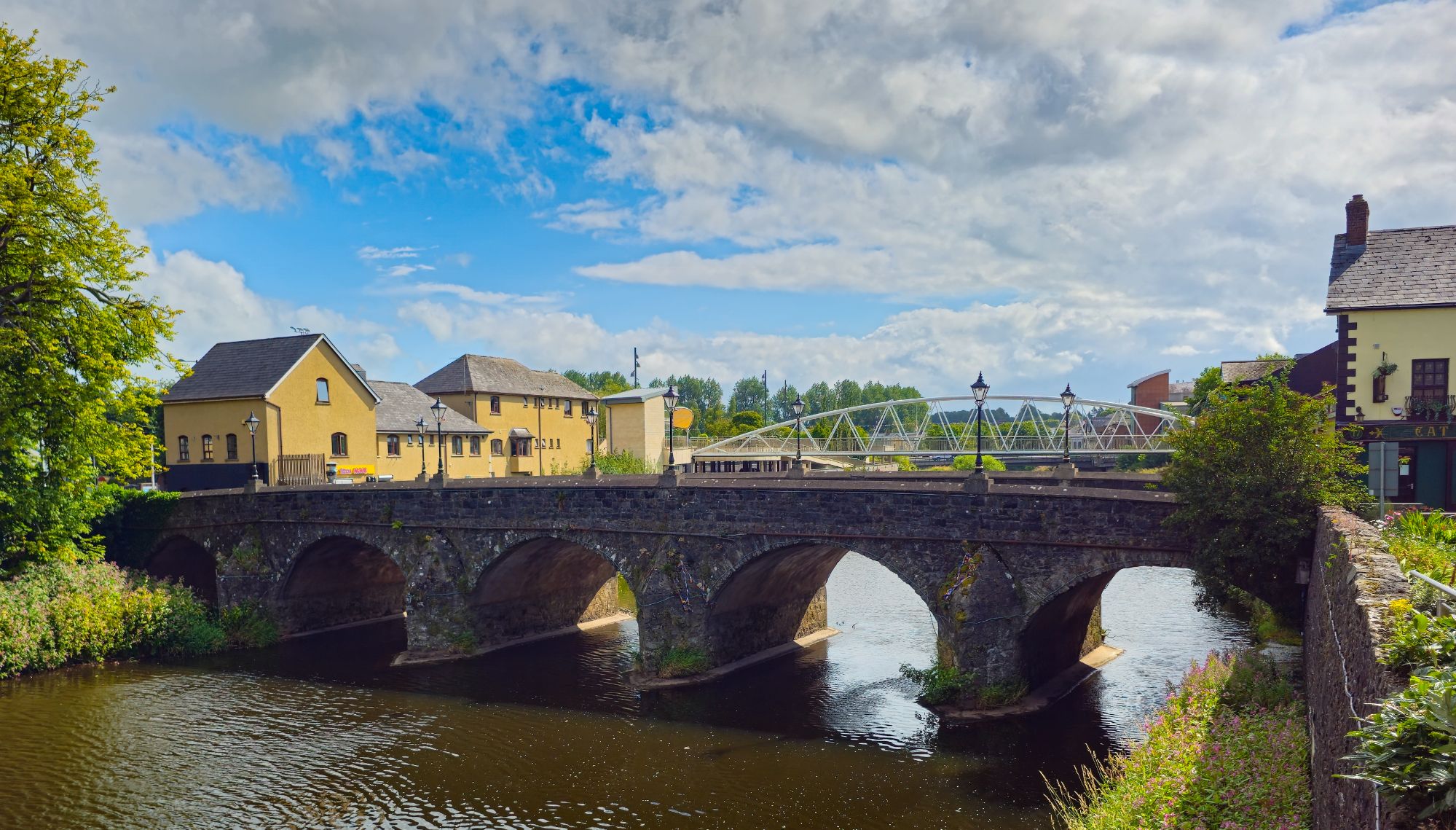
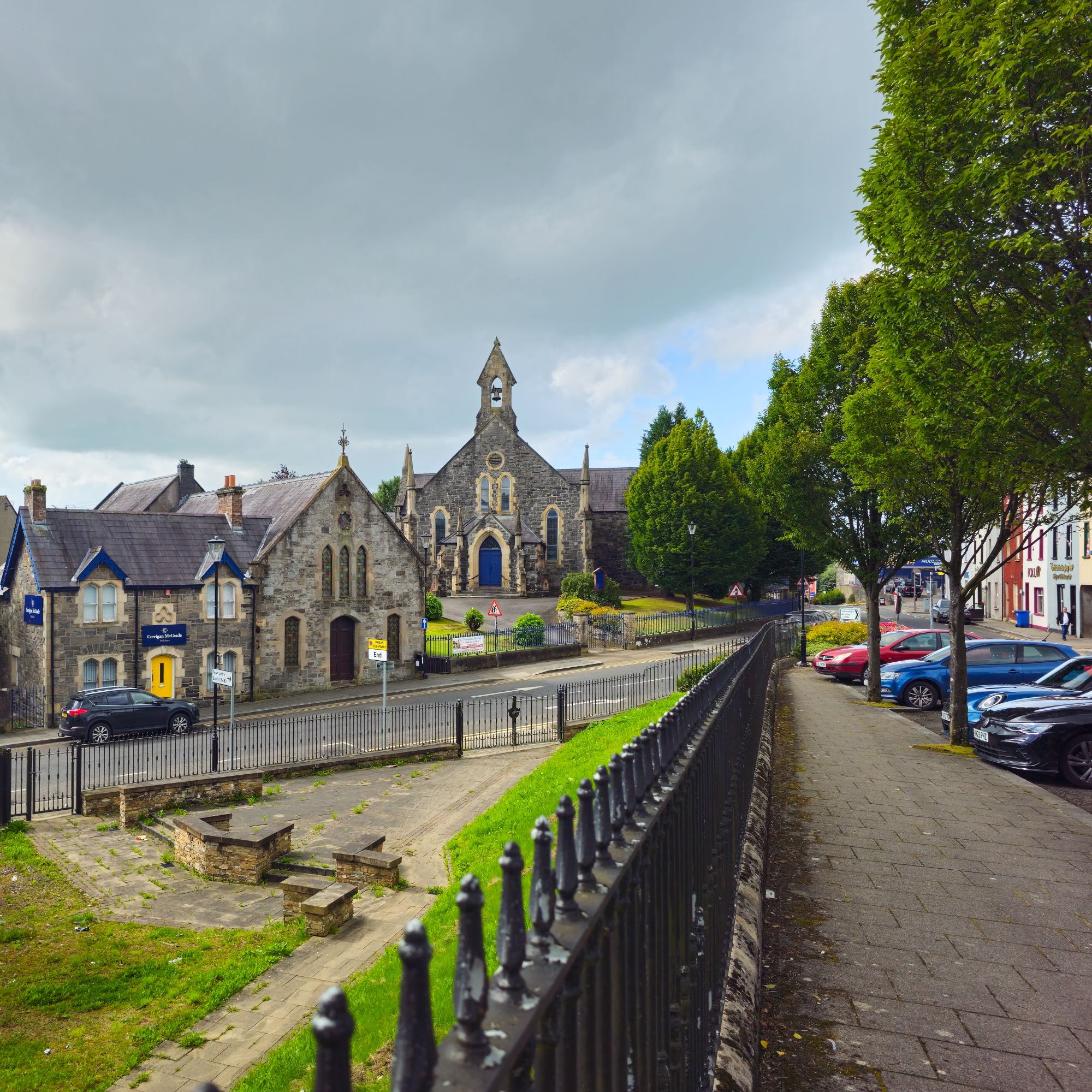
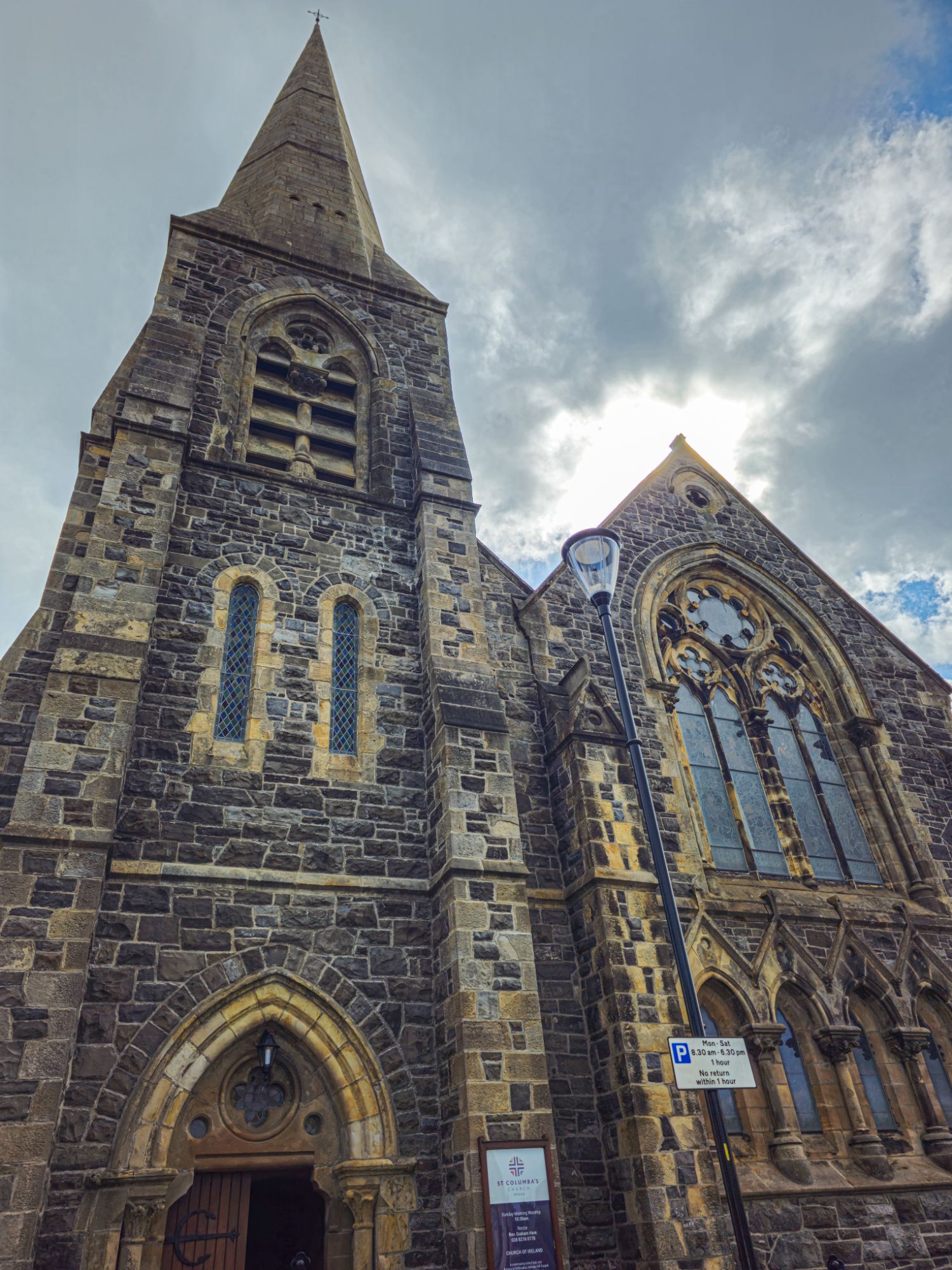
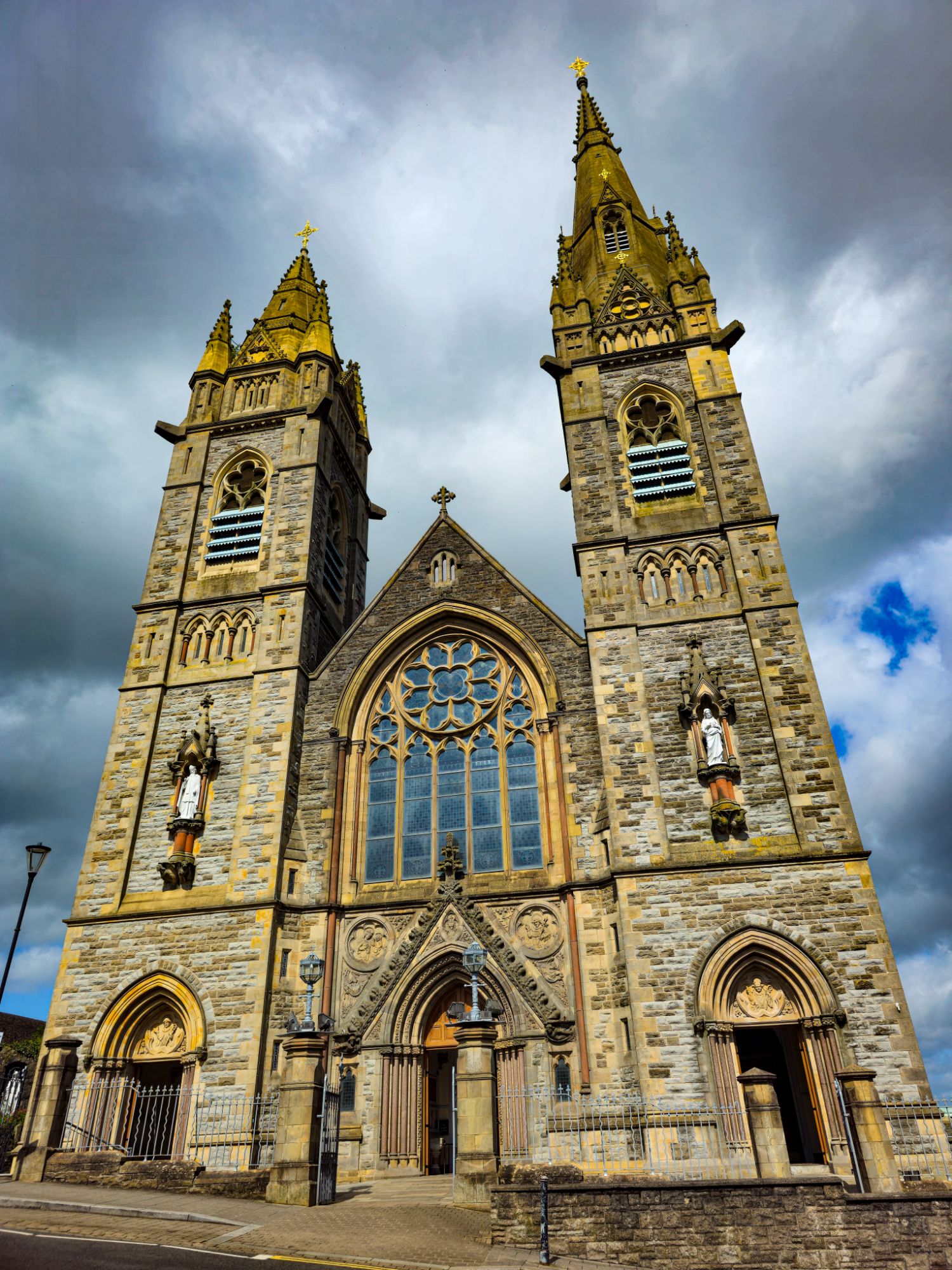
We walked around the centre. There were a lot of churches 7 were visible from one spot.
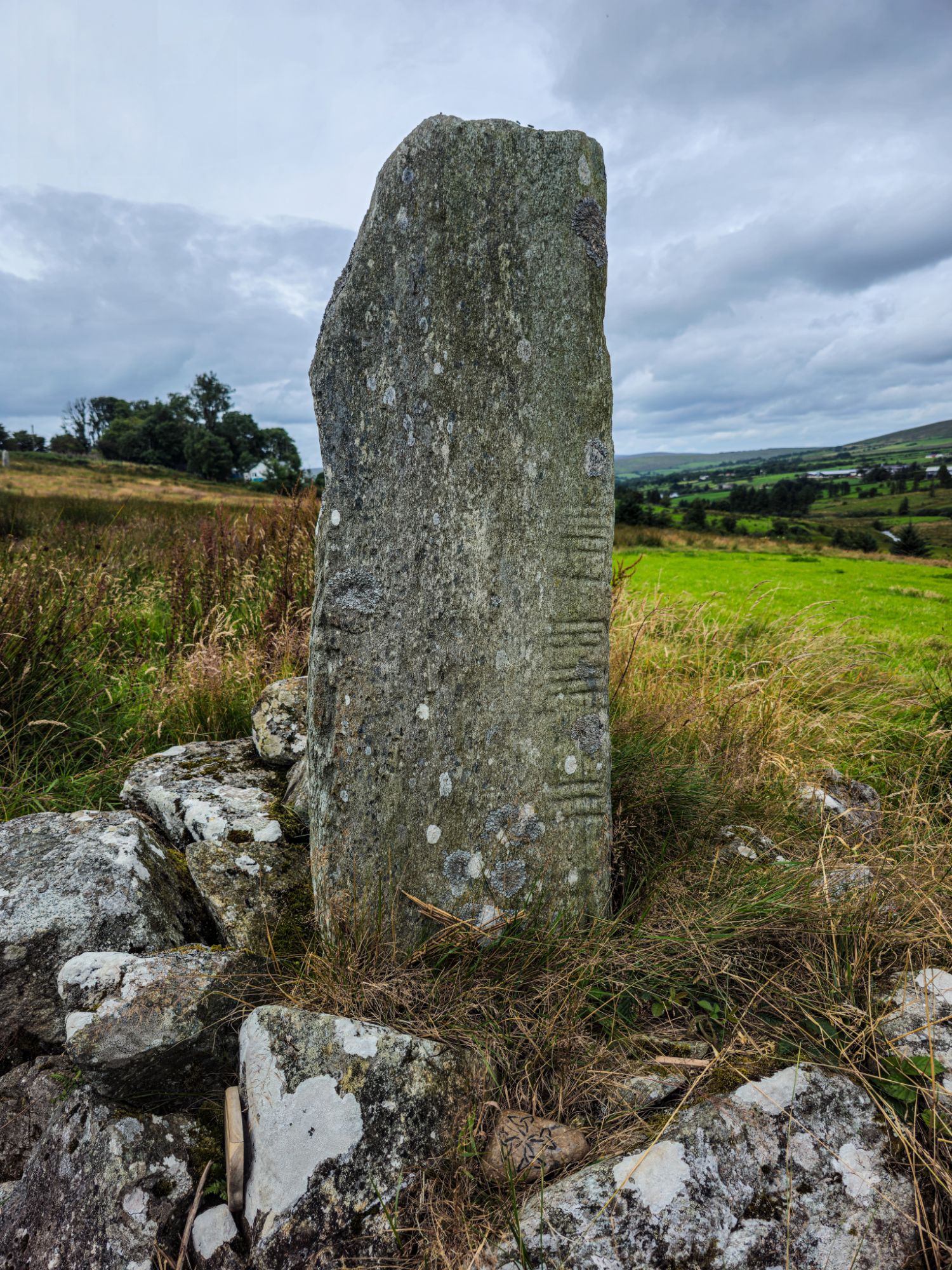
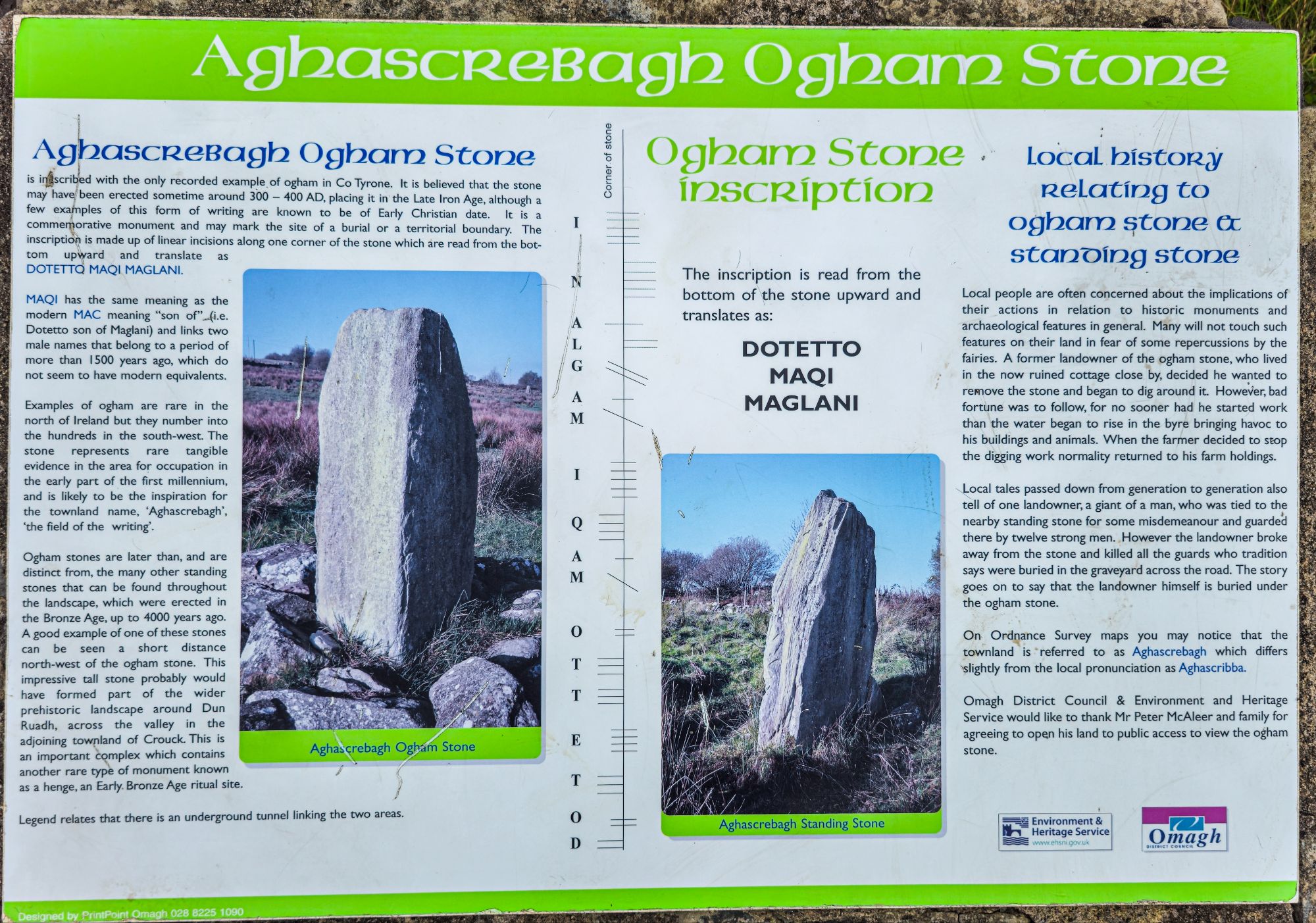
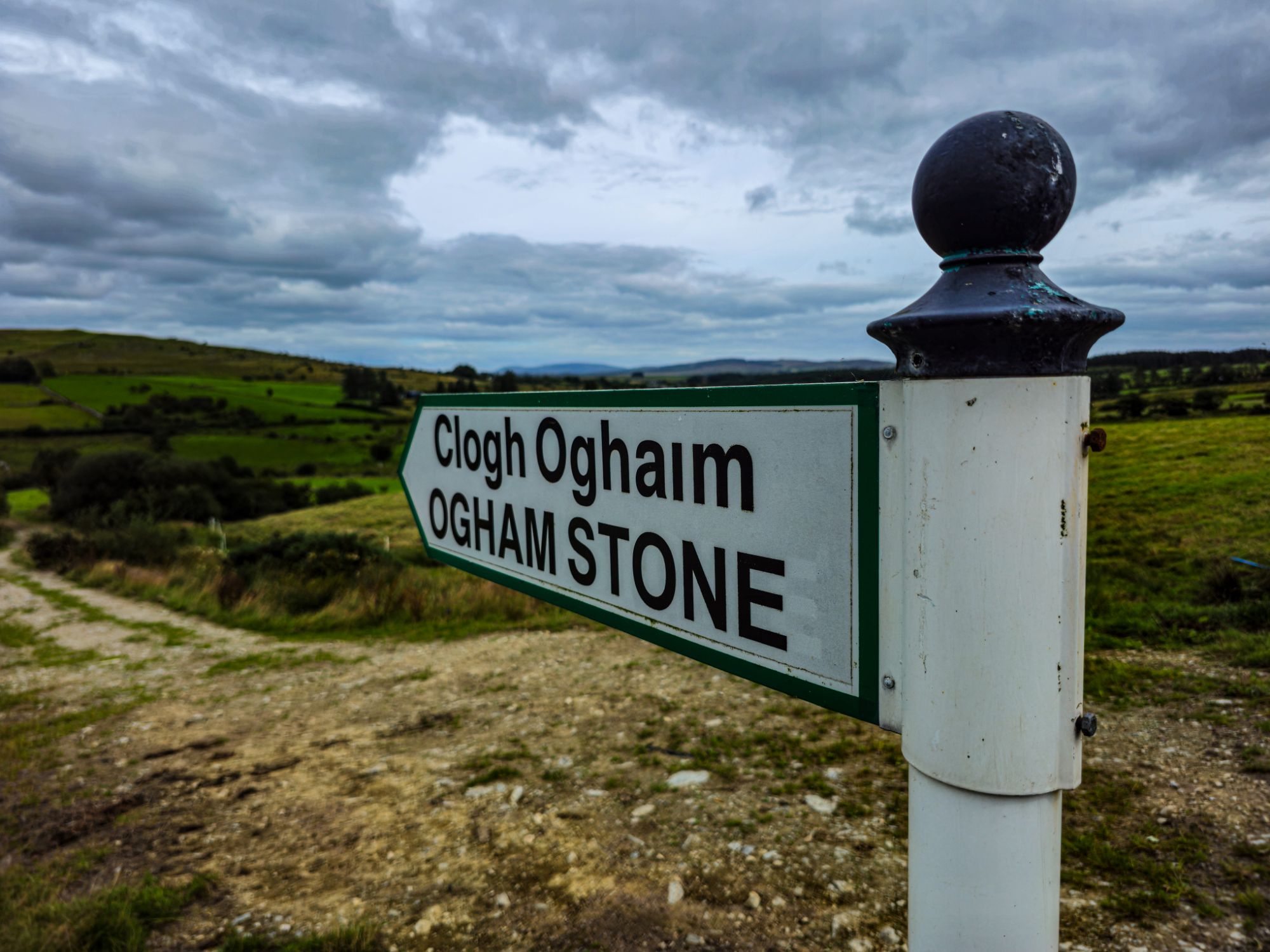
On the way into Omagh, we passed signs for the Ogham Stone I had heard of Ogham before so we went to have a look.
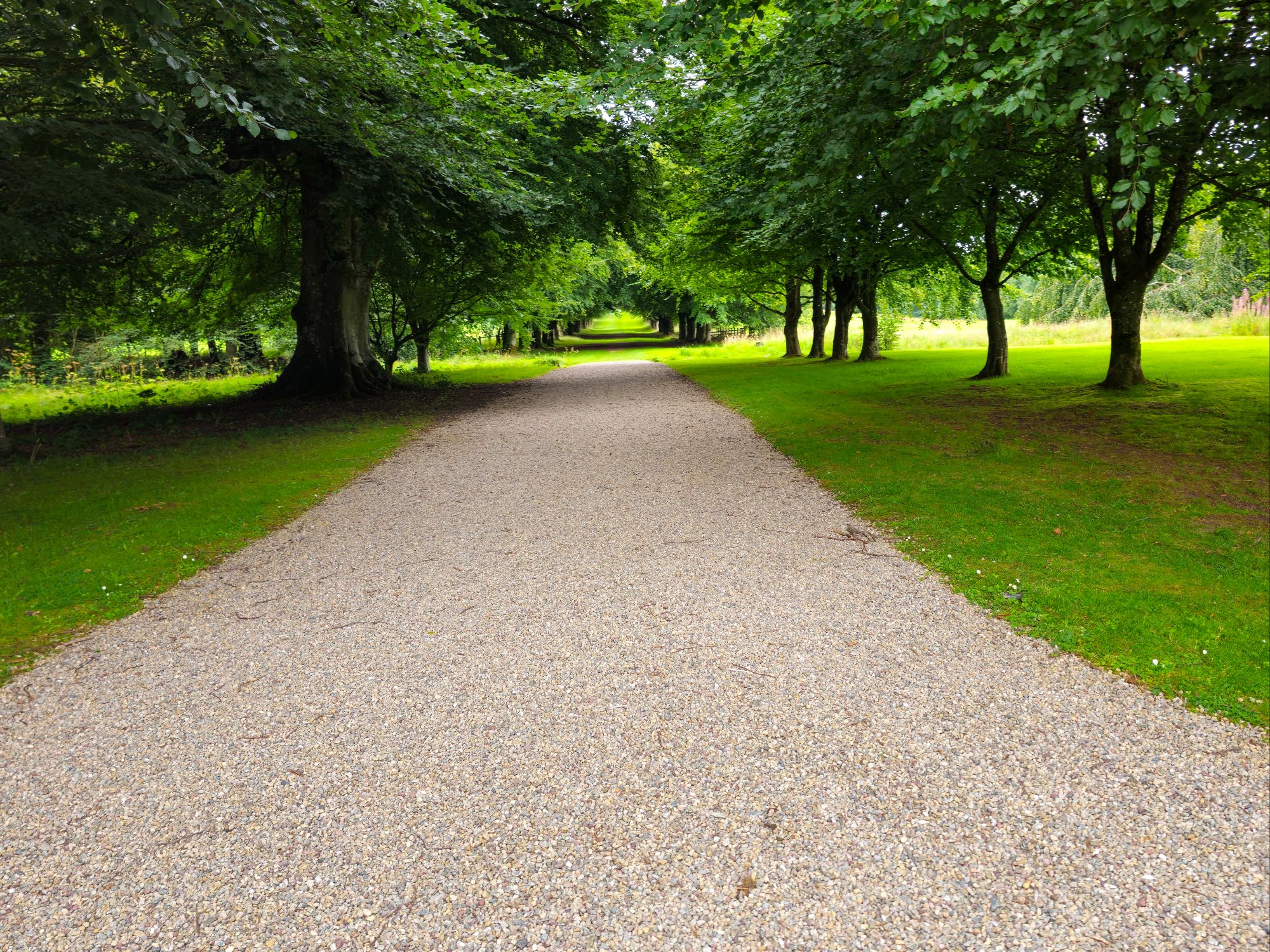
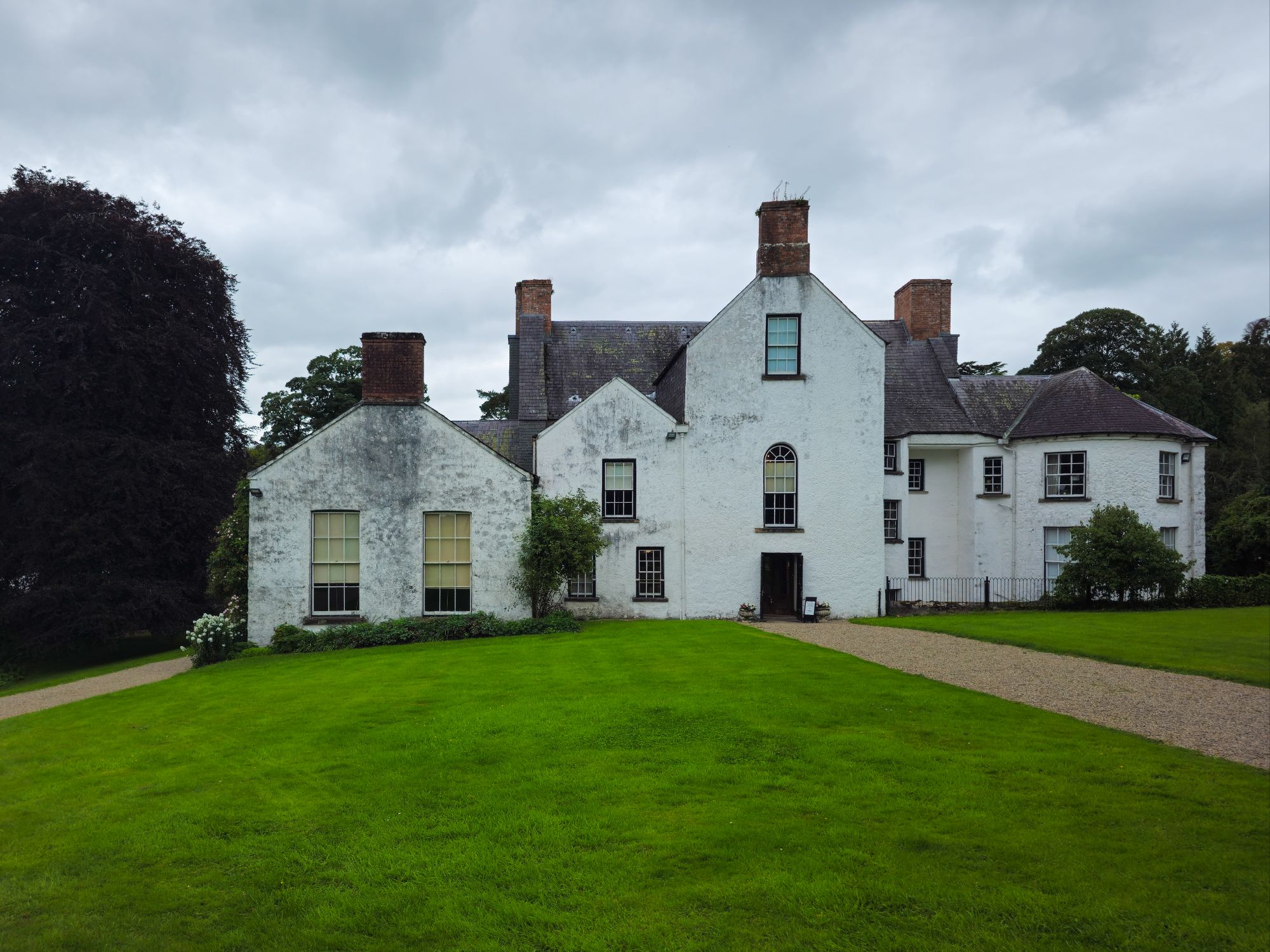
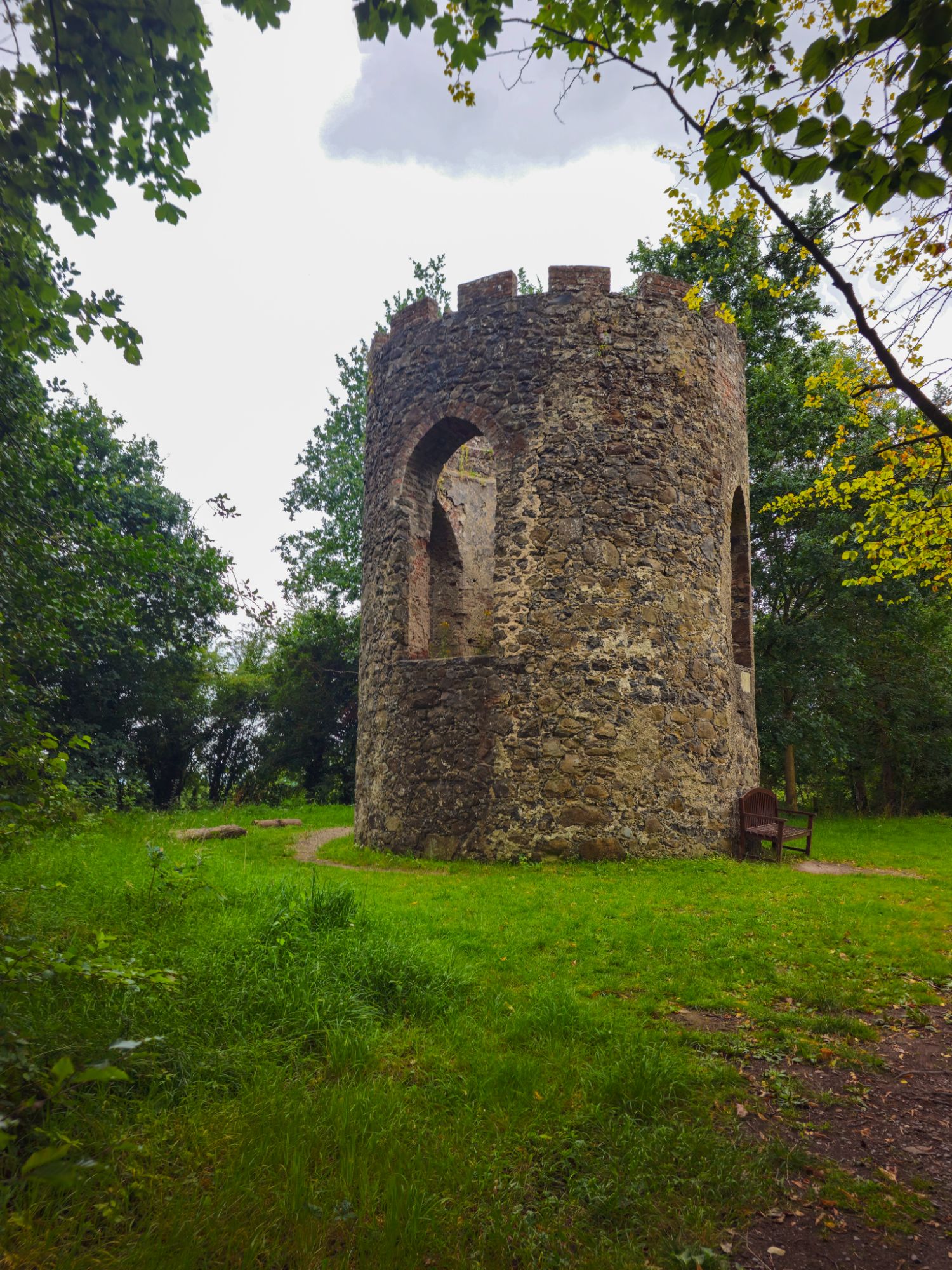
The day was approaching the end but time for one more stop. We had a wander around the grounds of Springhill manor.

Finally at a park for night there was a very old chapel which was said to be one of the more religious sites in Ireland there is a well nearby that has healing properties.
